
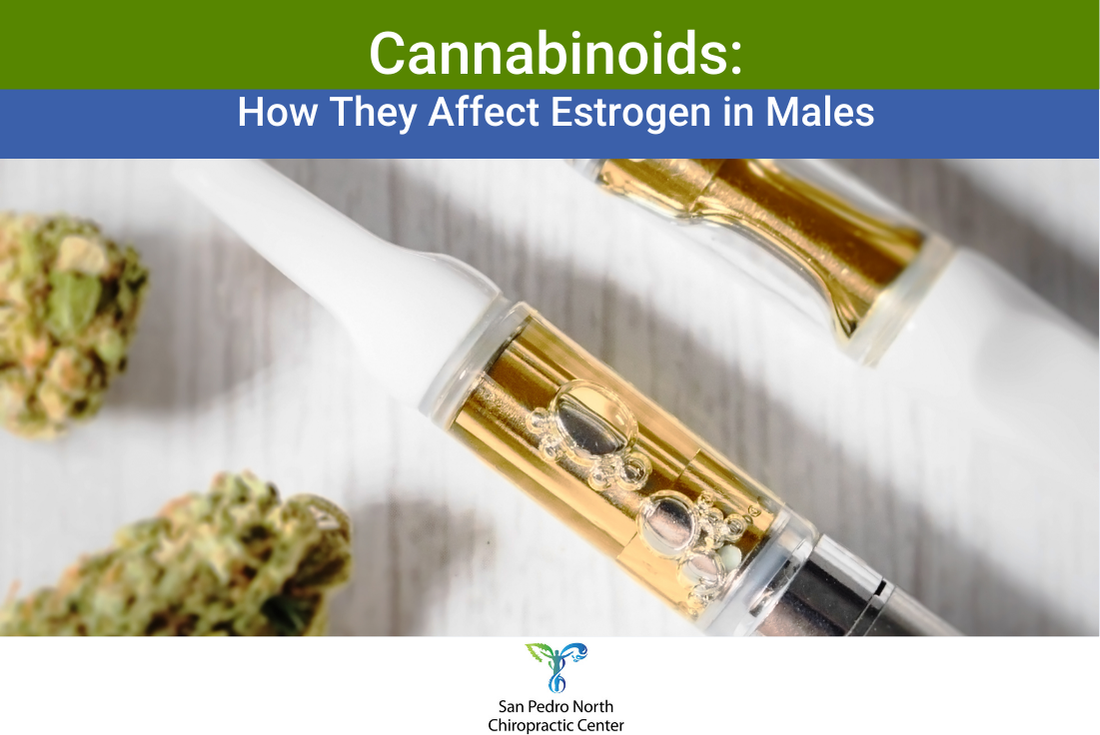
In recent years, the popularity and widespread use of cannabis and cannabinoid-based products have increased exponentially. While cannabinoids such as THC (tetrahydrocannabinol) and CBD (cannabidiol) have shown numerous potential health benefits, research on how they affect the human endocrine system is still evolving. One intriguing area of study is how cannabinoids influence estrogen levels, particularly in males. At San Pedro North Chiropractic Center, Dr. Doreen Lewis aims to shed light on this topic and how understanding these mechanisms can contribute to overall wellness.
Understanding Cannabinoids and Their Mechanisms
Cannabinoids are naturally occurring compounds found in the cannabis plant. The most well-known cannabinoids are THC and CBD, each having distinct effects on the body. These compounds interact with the endocannabinoid system (ECS), which plays a crucial role in regulating physiological processes such as mood, appetite, immune function, and hormone regulation.
- THC (Tetrahydrocannabinol): The psychoactive component of cannabis responsible for the “high” sensation. It binds to CB1 receptors in the brain and central nervous system.
- CBD (Cannabidiol): A non-psychoactive compound that has anti-inflammatory and neuroprotective properties. It interacts with both CB1 and CB2 receptors but does not cause a high.
Estrogen and Its Importance in Males
While estrogen is typically considered a “female hormone,” it is also present in males and plays a vital role in maintaining bone density, brain function, and cardiovascular health. Estrogen in males is produced through the aromatization of testosterone, a process that converts a small portion of testosterone into estrogen.
How Cannabinoids Affect Estrogen Levels
The interaction between cannabinoids and hormones like estrogen is complex and not entirely understood. However, emerging research provides some insights:
- Impact on the Hypothalamic-Pituitary-Gonadal (HPG) Axis: The HPG axis is responsible for regulating the production of sex hormones. Cannabinoids can alter the normal functioning of this axis, potentially affecting testosterone and estrogen levels.
- THC and Estrogen: THC is known to have an inhibitory effect on testosterone production. Lower testosterone levels can lead to an altered testosterone-to-estrogen ratio, which might result in relatively higher estrogen levels.
- CBD and Hormone Regulation: CBD appears to have a more neutral or stabilizing effect on hormones. It may indirectly influence estrogen levels by reducing inflammation and modulating stress hormones, which are linked to endocrine function.
The Science Behind Cannabinoids and Estrogen
Several studies have attempted to explore the direct and indirect effects of cannabinoids on estrogen in males:
- Testosterone Reduction: THC has been associated with a temporary decrease in testosterone levels. Since testosterone is a precursor to estrogen, a decrease could disrupt hormonal balance.
- Aromatase Activity: Aromatase is the enzyme that converts testosterone to estrogen. Cannabinoids may influence aromatase activity, altering estrogen synthesis.
- Endocannabinoid System and Hormonal Regulation: The ECS has a regulatory effect on the endocrine system. Cannabinoids, by interacting with ECS receptors, could modulate hormone production, including estrogen.
Potential Health Implications for Men
Understanding how cannabinoids affect estrogen in males is essential for maintaining hormonal balance and overall health. Here are some potential implications:
- Bone Health: Estrogen plays a role in bone density. Imbalances could increase the risk of osteoporosis or fractures.
- Mood and Mental Health: Estrogen and testosterone both affect mood and cognitive function. Hormonal imbalances can contribute to anxiety, depression, or cognitive decline.
- Cardiovascular Health: Estrogen helps maintain cardiovascular health. An altered estrogen-to-testosterone ratio may have implications for heart health.
- Reproductive Health: Hormonal imbalances can affect libido, sperm production, and fertility.
Practical Tips for Men Using Cannabinoids
- Monitor Usage: Be aware of how frequent and high-dose THC use may affect your hormonal balance.
- Choose CBD Carefully: If you are concerned about hormonal effects, consider using CBD, which may have a more stabilizing impact.
- Stay Informed: Research is ongoing, and new findings about cannabinoids and hormone health continue to emerge.
- Consult a Healthcare Professional: If you experience symptoms of hormonal imbalance, such as fatigue, mood swings, or changes in libido, consult a healthcare provider like Dr. Doreen Lewis at San Pedro North Chiropractic Center.
Comprehensive Q&A Section
Q1: Can using THC-based products lower testosterone and increase estrogen in men? A: Yes, THC has been shown to reduce testosterone production, which may indirectly lead to higher estrogen levels. This effect is usually temporary but can become more pronounced with chronic, high-dose use.
Q2: Does CBD affect estrogen levels in men? A: Current research suggests that CBD may have a neutral or stabilizing effect on hormones, but it does not appear to significantly increase estrogen levels. It may help modulate other hormonal pathways, such as stress hormones.
Q3: How do cannabinoids affect fertility in men? A: THC can decrease sperm count and motility, potentially affecting fertility. The impact of CBD on fertility is less clear but appears to be less pronounced.
Q4: What are the symptoms of hormonal imbalance in men? A: Symptoms may include fatigue, decreased libido, mood swings, weight gain, and reduced muscle mass. If you experience any of these, it is essential to seek medical advice.
Q5: Can I use cannabinoids safely if I am concerned about hormone levels? A: It is best to consult with a healthcare professional. Moderation and careful monitoring of symptoms are essential, especially for individuals with pre-existing hormonal imbalances.
Q6: Are there any natural ways to balance hormones while using cannabinoids? A: Yes, lifestyle changes such as regular exercise, a balanced diet, stress management, and adequate sleep can help maintain hormonal balance. Supplements like zinc, magnesium, and vitamin D may also support hormone health.
Conclusion
The relationship between cannabinoids and estrogen in males is complex, with THC and CBD having different effects on hormonal balance. While THC may temporarily lower testosterone and potentially increase estrogen, CBD has a more neutral impact. At San Pedro North Chiropractic Center, Dr. Doreen Lewis emphasizes the importance of understanding these interactions and seeking professional guidance to ensure optimal health and wellness.
If you have concerns about how cannabinoids might be affecting your hormones, Dr. Lewis and her team are here to help. By taking a holistic approach to wellness, we can work together to find solutions tailored to your needs.
Contact Information:
San Pedro North Chiropractic Center
- Address: 1006 Central Pkwy S, San Antonio, TX 78232
- Phone: (210) 490-9169
- Appointments https://www.chiropractic-sanantonio.com/appointments/