
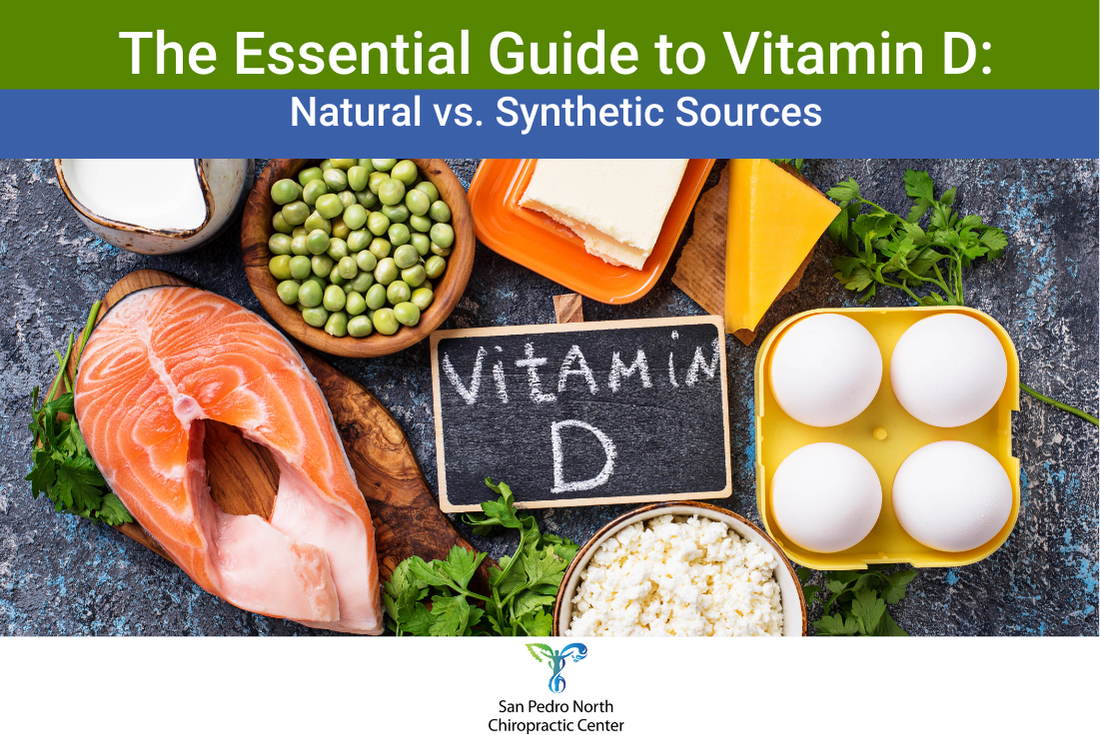
Vitamin D is often called the “sunshine vitamin” for a good reason. It plays a crucial role in bone health, immune function, and overall well-being. Yet, despite the abundance of sunlight in places like San Antonio, many people still struggle with vitamin D deficiency. As Dr. Doreen Lewis, a leading chiropractor at San Pedro North Chiropractic Center, often emphasizes, understanding how to optimize your vitamin D levels is crucial for your health. But where can we find this essential vitamin naturally, and what about the synthetic options derived from sheep’s wool?
Understanding Vitamin D: The Basics
Vitamin D is a fat-soluble vitamin that helps your body absorb calcium and phosphorus, vital for maintaining strong bones and teeth. It also plays a significant role in immune system regulation, muscle function, and cardiovascular health. Deficiency in this nutrient has been linked to osteoporosis, weakened immunity, and even depression.
Our bodies can produce vitamin D naturally when our skin is exposed to sunlight. However, with lifestyle changes, increased indoor activities, and concerns about UV exposure, many people are not getting enough of this vital nutrient from sunlight alone.
Natural Sources of Vitamin D
- Sunlight
- The primary natural source of vitamin D is sunlight. When UVB rays from the sun strike the skin, a chemical reaction occurs, converting 7-dehydrocholesterol in the skin into vitamin D3 (cholecalciferol). Spending 10-30 minutes in the midday sun several times per week is typically enough for most people to maintain adequate vitamin D levels, though factors such as skin tone, age, and location can affect absorption.
- Food Sources
- Fatty Fish: Salmon, mackerel, tuna, and sardines are rich in vitamin D. A 3.5-ounce serving of cooked salmon provides about 600-1000 IU of vitamin D, covering a significant portion of your daily needs.
- Egg Yolks: One egg yolk contains around 40 IU of vitamin D. Free-range or pasture-raised eggs generally have higher levels due to the hens’ sun exposure.
- Mushrooms: Certain mushrooms, like maitake and shiitake, can produce vitamin D2 (ergocalciferol) when exposed to UV light. Wild mushrooms typically contain more vitamin D than commercially grown varieties.
- Fortified Foods: While not natural sources, many dairy products, orange juice, and cereals are fortified with vitamin D. For individuals who struggle to get enough from sunlight or other dietary options, fortified foods can be helpful.
Synthetic Sources of Vitamin D
Vitamin D supplements are often necessary for those who cannot meet their needs through sunlight or diet. These supplements come in two forms: D2 (ergocalciferol) and D3 (cholecalciferol). Vitamin D3 is the preferred and more effective form for raising vitamin D levels in the body.
- Vitamin D3 from Sheep’s Wool (Lanolin)
- One of the most common sources of vitamin D3 supplements is lanolin, a substance extracted from sheep’s wool. When sheep are sheared for wool, the lanolin is collected and processed to create vitamin D3. The lanolin undergoes a series of chemical reactions to produce synthetic cholecalciferol, which is bioidentical to the vitamin D3 our skin produces when exposed to sunlight.
- This process is highly efficient and sustainable, as it does not harm the sheep. However, those with ethical or environmental concerns about animal-derived products may opt for alternatives.
- Vegan and Plant-Based Vitamin D3
- Recent advancements have led to the development of plant-based vitamin D3 derived from lichen, a symbiotic organism made of fungi and algae. This source is entirely vegan and offers a suitable alternative for those who avoid animal products.
Benefits of Vitamin D Supplementation
For individuals with limited sun exposure or dietary restrictions, supplementation is often recommended. Vitamin D supplementation can help:
- Strengthen Bones and Teeth: By aiding in calcium absorption, vitamin D prevents bone diseases like osteoporosis and rickets.
- Enhance Immune Function: Adequate levels of vitamin D are essential for a well-functioning immune system.
- Support Mental Health: There is growing evidence that vitamin D plays a role in mood regulation and may help alleviate symptoms of depression.
Natural vs. Synthetic Vitamin D: Which is Better?
- Bioavailability
- Both natural and synthetic forms of vitamin D3 are highly bioavailable and effective in raising blood levels of the vitamin. While natural vitamin D from sunlight and food sources may be preferable, synthetic vitamin D3 from lanolin is equally beneficial for most people.
- Convenience and Consistency
- Synthetic supplements provide a convenient and reliable way to maintain adequate vitamin D levels, especially during winter months or for individuals who live in regions with limited sunlight.
Q&A Section
Q: Can I get enough vitamin D from sunlight alone? A: While sunlight is a natural and effective source, various factors influence how much vitamin D your body can produce, including the time of day, geographic location, skin tone, age, and use of sunscreen. People who spend limited time outdoors or cover their skin for religious or cultural reasons may not get enough vitamin D from sunlight alone.
Q: Are there any risks of taking too much vitamin D? A: Yes. Excessive vitamin D intake can lead to vitamin D toxicity, causing high blood calcium levels, nausea, vomiting, weakness, and kidney damage. It’s essential to follow recommended dosages and consult with a healthcare provider before starting any supplementation.
Q: What are the symptoms of vitamin D deficiency? A: Common signs include bone pain, muscle weakness, fatigue, frequent infections, and depression. However, many people may be deficient without experiencing noticeable symptoms, which is why routine blood testing is essential.
Q: Are there vegan-friendly sources of vitamin D? A: Yes. Vitamin D2 is found in some mushrooms, and vegan vitamin D3 supplements derived from lichen are also available. Fortified plant-based milk and cereals are other vegan-friendly options.
Q: How does age affect vitamin D production? A: As we age, our skin becomes less efficient at synthesizing vitamin D from sunlight, and our kidneys are less able to convert vitamin D to its active form. Older adults are often at higher risk for deficiency and may benefit from supplementation.
Q: Is synthetic vitamin D from sheep’s wool ethical and safe? A: Yes. The production of vitamin D3 from lanolin is considered ethical and sustainable since it does not harm the sheep. The extracted lanolin is purified and processed to create a supplement that is chemically identical to the vitamin D3 produced by human skin.
Q: How much vitamin D should I take daily? A: The recommended daily intake varies by age, sex, and life stage. Generally, adults are advised to take 600-800 IU daily, though higher doses may be necessary for those with deficiency or certain medical conditions. Always consult a healthcare provider for personalized recommendations.
Contact Us for More Health Insights
At San Pedro North Chiropractic Center, Dr. Doreen Lewis and our team are dedicated to helping you achieve optimal health. Whether it’s through chiropractic care, nutritional counseling, or lifestyle guidance, we are here to support your wellness journey.
San Pedro North Chiropractic Center
- Address: 1006 Central Pkwy S, San Antonio, TX 78232
- Phone: (210) 490-9169
- Appointments https://www.chiropractic-sanantonio.com/appointments/
Discover how we can help you live a healthier, more vibrant life!